Tips for First-Time Renters in Singapore: Avoid Common Mistakes
Renting in Singapore for the first time feels a bit like crossing a busy CBD during peak hour: exciting, fast paced, and you need to know exactly how to navigate. One minute you are saving listings, the next you are at a viewing, and suddenly someone is asking if you can “confirm today”.
Take a breath. Your first rental does not need to be a stressful rite of passage.
This guide walks you through what first time renters often get wrong in Singapore, what’s trending in the market right now, and how to protect your wallet, your time, and your peace of mind from searching to move-in day.
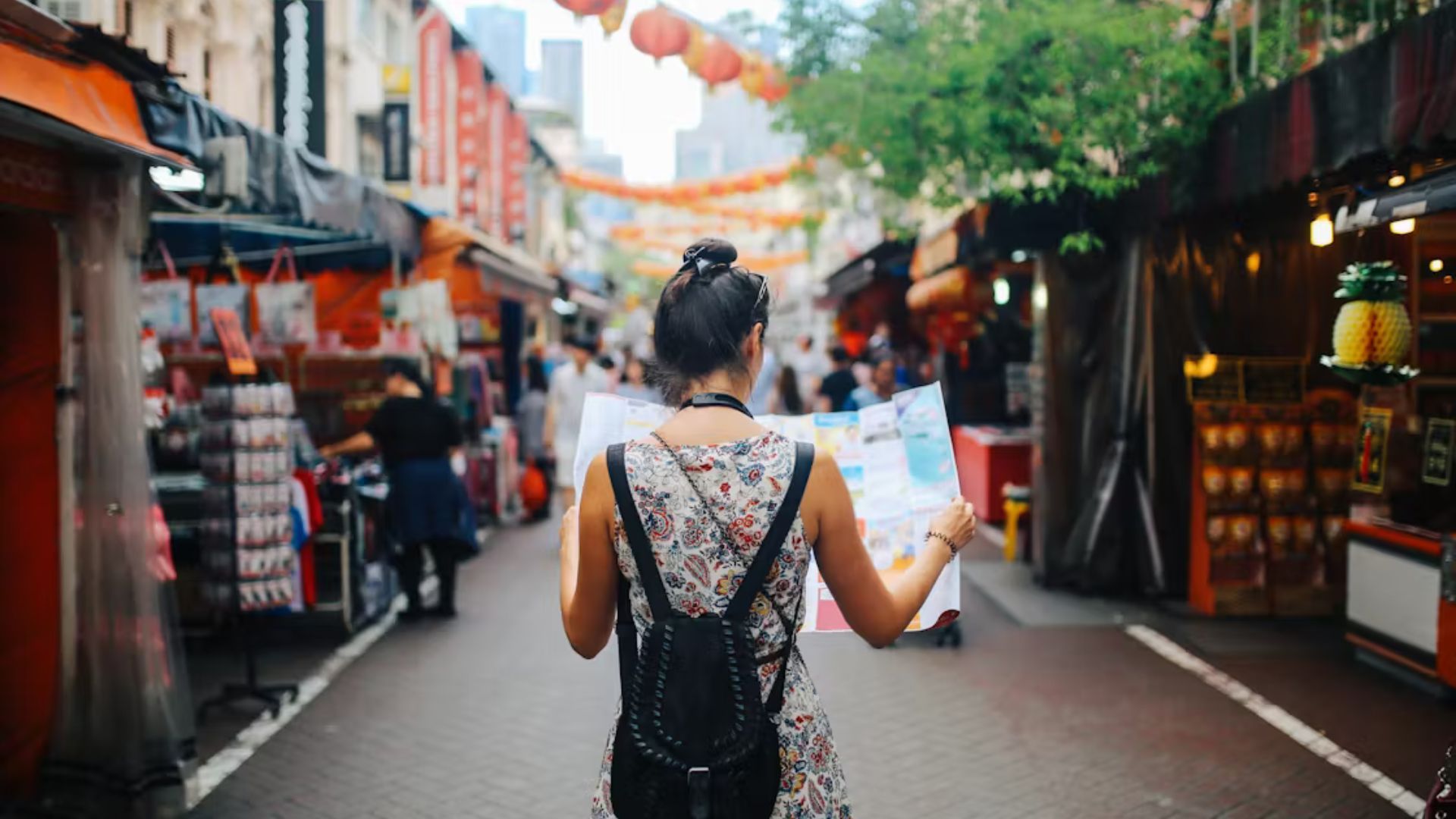
(Photo credit to freepik)
What’s trending in Singapore renting right now
A noticeable shift going into 2025 and early 2026 is that renters are becoming more value focused and detail oriented. Even as the market moves, people are prioritising “good living” basics: functional layouts, reliable maintenance, accessible commutes, and transparent terms over flashy photos.
At the same time, the rental market has shown continued movement in recent quarters, with URA (Urban Redevelopment Authority) reporting private residential rentals rising quarter on quarter in 2025. Some analysts also expected rents to be broadly flatter overall across 2025 compared with the more volatile years prior, which has made negotiation, lease terms, and included value more.
What first time renters are choosing more often important than ever.
- Move-in ready homes
- Clear contract terms and responsibilities
- Accessibility to public transport and supermarkets
- Flexible living options when their job, visa, or life plans might change
Mistake 1: Budgeting only for rent, then getting surprised by “the rest”
Rent is just the headline. Your real monthly cost is rent plus the set up and “adulting admin” you didn’t know you were signing up for.
Build a first renter budget that includes:
- Utilities
- Security deposit
- Internet setup and installation timelines
- Moving costs
- Cleaning fees
- Additional furnishing
Stamp duty is payable on leases and tenancy agreements, and for standard residential leases under 4 years, a commonly referenced rate is 0.4% of total rent.
Renter tip: If you are comparing two units with similar rent, the “cheaper” one can end up costing more if it needs furnishing, repairs, pest control, or multiple service appointments in your first month.
Mistake 2: Falling in love with photos, and skipping a proper viewing checklist
Singapore listings can look stunning online, but you live in the details.
Quick viewing checklist (save this)
Inside the unit
- Turn on the shower, check water pressure and drainage
- Switch on the air conditioner, listen for rattles, check how fast it cools
- Check windows for traffic noise, construction noise, and airflow
- Look for mould around air conditioner vents, bathroom corners, and window frames
- Open the cabinets, sniff for dampness, look for pests or droppings
- Test the hob, fridge, washer, and water heater (if included)
In the building and area
- Walk from the lift to the unit to check for noise and smell
- Check bin chute or disposal area
- Do a check around the area for your commute, groceries, gym, and late night food
Renter tip: Visit once in the daytime and once in the evening if possible. A unit can feel totally different between both timings. .
Mistake 3: Not verifying the agent or getting careless with payments
If someone pressures you to pay quickly, that is your cue to take a step back. .
Singapore’s Council for Estate Agencies (CEA) publishes consumer guidance for renting, including checklists and what to look out for when engaging a property agent. CEA also has specific guidance on rental scams and how to stay safe.
IRAS (Inland Revenue Authority of Singapore)has even issued scam advisories about fake stamp certificates and scammers claiming you must pay stamp duty or other “taxes” to secure a rental.
Tips to stay safe
- If you want to be sure your agent is legitimate, you can enter their CEA license number and contact number here to ensure he/she is a licensed agent.
- Ask for documentation, keep receipts, and insist on clarity around what each payment is for
- If stamp duty is involved, understand how it is paid and verified through IRAS
Mistake 4: Treating the LOI and TA like “just paperwork”
In Singapore rentals, the paperwork is the difference between a smooth year and months of back and forth.
Most rentals follow a flow like this:
- Negotiate key terms
- Letter of Intent (LOI)
- Tenancy Agreement (TA)
- Stamp the TA through IRAS
- Collect keys, move in
What first time renters miss: The TA must match what you thought you agreed to. Before signing, make sure the TA clearly states:
- Rent amount, due date, and payment method
- Deposit amount and when it is refundable
- Inventory list of furniture and appliances, with condition notes
- Repair and maintenance responsibilities (who fixes what, and how fast)
- Minor repair clauses
- Any restrictions, for example pets, guests, noise levels
- Renewal options
Mistake 5: Ignoring “life happens” clauses, especially the diplomatic clause
If you are an expat, on a contract role, or simply unsure where you’ll be in 12 months, pay attention to termination terms.
Many Singapore leases may include a diplomatic clause, which can allow early termination after an initial period, typically with notice. The exact structure varies, so the key is to ensure the clause is written clearly and matches your risk level.
Renter tip: Even if you think you won’t need it, your future self will thank you for negotiating fair exit terms now.
Mistake 6: Not understanding public housing rules, and getting stuck in an awkward situation
If you’re renting a public housing flat or room, you need to respect the regulations around subletting and minimum rental periods. Based on Singapore’s regulation, do note that a minimum renting out period of 6 months is required, and other conditions and limits can apply.
What this means for first time renters:
- Be wary of anyone offering public housing rentals of less than 6 months
- Ask the landlord how the rental is managed
- Make sure your arrangement aligns with the approved approach, not “don’t worry about it”
Mistake 7: Moving in without documenting condition and defects
The move-in moment is when most future disputes are born, because it’s easy to forget what was already scratched, stained, or not working.
On key collection day:
- Take clear photos and short videos of every room and furniture, including close ups of existing damage
- Confirm the inventory list matches what’s actually inside the unit
- Test essentials again: air conditioner, taps and appliances
- Get clarity on how to report issues and expected repair timeline
Mistake 8: Leaving utilities to the last minute
Utilities are the quiet foundation of a smooth move in. In Singapore, our utility provider is SP Group, which provides guidance for opening and managing residential utilities accounts and outlines who can apply and how the process works.
What to do early:
- Confirm whether utilities are included in rent or billed separately
- If you need to open your own account, do it before your move-in date
- Ask how meter readings will be handled at handover
Renter tip: Sort your utilities admin early, so your first night isn’t you sweating in the dark while searching “how to open utilities account Singapore” on low battery.
A first time renter’s “ask this before you sign” list
Bring these to every serious viewing:
- What’s included, furniture, appliances, maintenance, utilities
- Who pays for minor repairs, and what counts as “minor”
- What is the air conditioning servicing schedule, and who arranges it
- Are there any building rules I should know, visiting time, and deliveries
- Any ongoing construction nearby, or known noise issues
- Review inventory list before signing
- What are the termination terms, and is there a diplomatic clause if needed
- What is the exact payment schedule and what each payment is for
- How will stamp duty be handled and how do we verify it’s legitimacy
- Who is my point of contact after I move in?
Singapore is best enjoyed when coming home is effortless.Nail the basics, budgeting, paperwork, condition checks, and flexible terms, then settle in, explore more, and let the city do what it does best, surprise you in the everyday.
Dash Living on Kinta
Experience effortless city living in a modern serviced residence in central Singapore. Just minutes from Farrer Park MRT and City Square Mall, enjoy fully furnished apartments with stylish interiors, kitchenettes and all-inclusive comforts like high-speed Wi-Fi, utilities and weekly housekeeping. Relax at the rooftop pool, unwind in the garden or connect in the social lounge at Dash Living on Kinta, designed for professionals and urban explorers who value convenience and comfort.
Explore Dash Living
Start living the true city lifestyle with the leading serviced living provider in Asia.