
Short-Term Tokyo Housing: When Longer Stays Cost Less
Finding a place to stay in Tokyo for a few weeks or a month can be confusing. Prices for short-term accommodations do not always work the way you might expect. Sometimes, booking a full month actually costs less than staying for just two weeks.
Many renters notice this when searching for furnished apartments and serviced residences. The pricing system for these rentals is shaped by local laws, industry practices, and how landlords manage their properties.
Understanding how and why this happens can help explain what you see when browsing Tokyo rental listings.
Why Thirty Nights Often Beat Two Weeks on Price
Tokyo landlords use two pricing systems: daily rates and monthly rates. Daily rates multiply the nightly price by your stay length. Monthly rates offer a lower per-night cost when you book 30 nights or more.
Landlords prefer longer stays because they mean less work. Each new guest requires cleaning, paperwork, and time to find the next renter. A 30-day booking eliminates multiple turnovers that a series of shorter stays would create.
This pricing difference explains why a monthly apartment Tokyo booking often costs only slightly more than a 15-day stay, even though you’re getting twice the time. The monthly rate reflects the savings landlords get from reduced administrative work.
The Laws Behind Tokyo’s Monthly Discounts
Japan’s minpaku law limits private short-term rentals to 180 days per year. This restriction pushes property owners toward longer bookings rather than many short ones.
With only 180 available days, hosts maximize their income by filling calendars with month-long stays instead of week-long turnovers. Each 30-day booking uses the same number of restricted days as multiple shorter stays but generates more stable income.
Some Tokyo wards add their own rules requiring minimum stays or extra paperwork for frequent guest changes. These regulations further encourage the monthly pricing discounts you see across the city’s short term apartment Tokyo Japan market.
Cost Breakdown: 15 vs 30 Nights in Tokyo
A 15-night Tokyo stay rarely costs half the price of 30 nights. Instead, the monthly rate often makes 30 days only marginally more expensive than two weeks.
Here’s how different accommodation types compare:
| Accommodation Type | 15 Nights | 30 Nights | Cost Difference |
| Hotel | High daily rate | Same daily rate | Nearly double |
| Serviced apartment | Moderate rate | Lower monthly rate | 30-40% more |
| Furnished apartment | Standard rate | Discounted monthly | 20-30% more |
Monthly rates become available at different thresholds depending on the property type, but most furnished apartment Tokyo options offer significant per-night savings for 30-day bookings.
To illustrate, we can look at a Dash Living unit in Sumida City near Asakusa. While short‑stay prices for 1 bedroom in this location run around $3,000 for 15 nights, opting for a 30‑night monthly stay brings the cost down to roughly $2,000 — about one‑third less per night, yet with the same access to the Dash Living Asakusa East’s features and neighborhood advantages.
What’s Included in Tokyo’s Furnished Apartments
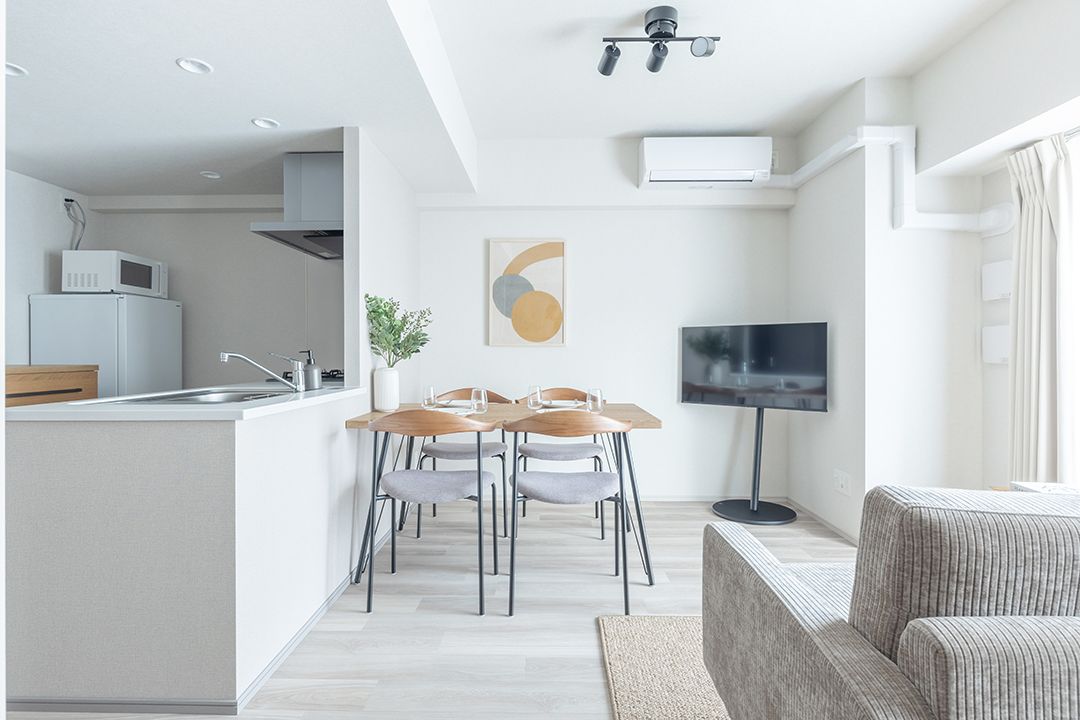
Furnished apartments in Tokyo come move-in ready with essential living items. These short term lease Tokyo properties eliminate the expense and hassle of buying furniture or setting up utilities.
Standard inclusions:
- Furniture: Bed, table, chairs, and storage
- Kitchen: Refrigerator, microwave, stove, and basic cookware
- Appliances: Washing machine, air conditioning, and TV
- Utilities: Electricity, water, gas, and high-speed internet
- Basics: Bedding, cleaning supplies, and bathroom essentials
The all-inclusive nature of these rentals makes the cost of living Tokyo per month predictable, with no surprise utility bills or furniture purchases.
Traditional Rental Fees You Skip
Tokyo’s conventional rental market requires several upfront payments that can total months of rent. Monthly apartment providers typically waive these fees for stays of 30 days or longer.
Key Money
This non-refundable payment to landlords, often equal to 1-2 months’ rent, doesn’t apply to furnished monthly rentals. The practice originated as a gift to secure housing during post-war shortages but remains common in traditional leases.
Guarantor Requirements
Standard leases require a Japanese guarantor or expensive guarantor company services costing 50-100% of monthly rent. Furnished apartments eliminate this requirement entirely.
Agency and Insurance Fees
Real estate agent commissions (typically one month’s rent) and mandatory fire insurance get bundled into monthly rates rather than charged separately upfront.
Hidden Costs to Check Before Booking
Some furnished apartment Tokyo providers add charges not included in advertised rates. These fees vary by property but commonly include:
- Cleaning fees: End-of-stay cleaning or weekly service charges
- Utility overages: Extra costs if electricity or water use exceeds limits
- Early departure penalties: Fees for leaving before your booking period ends
- Damage deposits: Refundable security deposits for potential property damage
Reading the full rental agreement reveals which additional charges apply to your specific booking.
When Monthly Rates Make the Most Sense
Certain groups benefit most from Tokyo’s monthly pricing structure:
- Business travelers on extended assignments or training programs
- Digital nomads working remotely who need stable internet and workspace
- Relocating families searching for permanent housing while maintaining temporary accommodation
- Students attending language schools or university exchange programs
- Medical visitors receiving treatment requiring extended Tokyo stays
These renters typically find monthly apartments more economical than hotels or daily-rate accommodations for stays exceeding two weeks.
Dash Living’s Approach to Flexible Tokyo Housing
Dash Living eliminates traditional rental barriers through digital booking and transparent pricing. The platform handles monthly apartment Tokyo reservations entirely online, with real-time availability and instant confirmation.
Properties include utilities, internet, and furnishings in the monthly rate without separate charges for guarantors, key money, or agency fees. Flexible terms allow date adjustments as plans change, making extended stays manageable for international residents.
Dash Living locations throughout Tokyo offer furnished spaces designed for both short and long-term stays. Browse available apartments at https://www.dash.co/en/listings/tokyo.