Chinese New Year Taboos and Superstitions: What You Need to Know in 2026
Chinese New Year Taboos and Superstitions: What You Need to Know
Sweeping the floor on the wrong day may instead “sweep away” your new year’s luck and prosperity, according to ancient traditions. These traditions have shaped how millions of people celebrate the Chinese New Year for generations, influencing everything from haircuts to what they wear.
Whether you’re joining colleagues for a reunion dinner or simply curious about why your neighbour put away the broom, knowing these taboos helps you navigate the festivities with ease. We’ll walk you through what to avoid, what to wear, and the positive traditions that bring good luck into the year ahead.
What are Chinese New Year Superstitions?
Chinese New Year superstitions are traditional beliefs that shape what people do (and avoid doing) during the Spring Festival. The idea behind them is straightforward: actions taken during the first day of the Lunar New Year influence your luck for the entire year ahead. Key superstitions include avoiding cleaning (which sweeps away wealth), washing hair (which washes away luck), using sharp objects (which cuts fortune), and wearing black or white (mourning colours) on the first day.
These customs have been passed down through generations, originally tied to warding off evil spirits and attracting prosperity. Some families follow every tradition closely, while others pick the ones that feel meaningful to them. Either way, knowing what they are helps you navigate the holiday with confidence, whether you’re celebrating with family or joining friends for the festivities.
Things not to do on Chinese New Year
Most Chinese New Year taboos have one theme: don’t accidentally push good luck out the door. The rules typically apply to the first few days of Chinese New Year, though some families extend them until the 15th day.
Sweeping the Floor or Taking out Garbage
Sweeping during the first day of Chinese New Year is believe to push wealth and good fortune right out of your home. The logic is that luck accumulates during the New Year, and sweeping sends it away. For this reason, families complete all their cleaning before the first day. If you really need to tidy up, the workaround is to sweep inward toward the centre of the home rather than out the door. That way, you’re symbolically keeping the good fortune inside.
Doing Laundry or Washing Clothes
The first two days of Chinese New Year are considered the birthday of the Water God, doing laundry is somewhat disrespectful during this time. This tradition also connects to the broader idea of not washing away fortune.
Getting a haircut before the festival ends
Some families avoid haircuts during the entire first month of Chinese New Year. An old saying suggests that cutting hair in the first month could bring harm to one’s uncle. Whether or not you believe it, many people wait until after the 15th day to get a haircut.
Using Scissors or Sharp Objects
Sharp objects symbolically “cut” ties, relationships, and wealth. Knives, scissors, and needles are typically put away during the celebration to avoid severing good luck or family bonds.
Saying Unlucky or Negative Words
Words carry weight during Chinese New Year. Certain terms are avoided because they’re associated with misfortune:
- Death-related words: Mentioning dying, killing, or loss is off-limits
- Negative outcomes: Words like “empty,” “poor,” “sick,” or “broken” are avoided
- The number four: It sounds like the word for death in Chinese, making it deeply unlucky
Even if something goes wrong, people find creative ways to rephrase things in a more positive light.
Breaking Bowls, Plates, or Glasses
Breaking items symbolises broken fortune or family separation. When such accidents happen, say this: “suì suì píng ān” (岁岁平安), which means “peace year after year.” The phrase works because “suì” (碎, broken) sounds like “suì” (岁, year), turning the mishap into a blessing.
Lending or Borrowing Money
Lending money during Chinese New Year is believe to lead to financial loss all year. Borrowing, on the other hand, suggests you’ll be in debt throughout the year. The tradition encourages settling all debts before the New Year begins, so everyone starts fresh.
Giving Taboo Gifts
Certain gifts carry unfortunate meanings due to how their names sound in Chinese:
- Clocks: The phrase “giving a clock” (送钟 sòng zhōng) sounds like “attending a funeral” (送终 sòng zhōng)
- Shoes: The word sounds like “evil” (邪 xié)
- Sharp objects: Symbolise cutting ties with the recipient
- Pears: The word sounds like “separation”(离 lí)
- Umbrellas: Sounds like “breaking up” in Chinese (散 sàn)
Eating Porridge for Breakfast
Porridge was historically what people ate when they couldn’t afford anything else. Eating it on Chinese New Year is believed to invite poverty for the year ahead. Rich, abundant foods are preferred instead, so save that for another morning.
Colours to Avoid during Chinese New Year
Clothing choices during Chinese New Year carry symbolic meaning. What you wear on the first day, in particular, sets the tone for your luck in the coming year.
Black and white are traditionally worn during funerals and periods of mourning in Chinese culture. Wearing them during Chinese New Year is believe to invite death or misfortune.
Lucky colours to wear
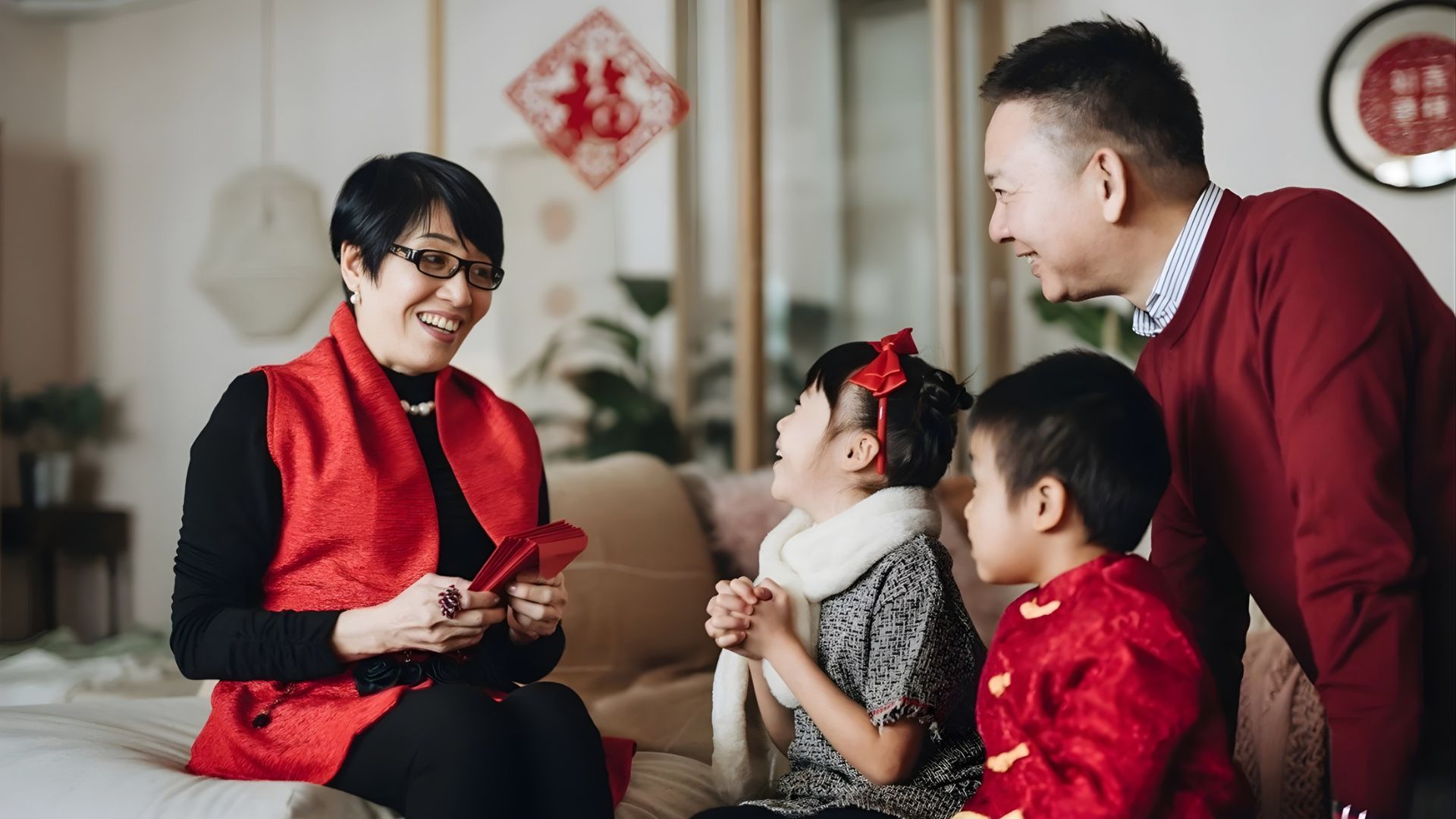
Red takes centre stage as the most auspicious colour for Chinese New Year:
- Red: Symbolises good fortune and wards off evil spirits
- Gold and yellow: Represent wealth and prosperity
- Pink and orange: Considered lucky alternatives if red isn’t your thing
New clothes are preferred over old ones because they symbolise a fresh start. Even if you’re not superstitious, there’s something nice about beginning the year in something new.
Staying up late on the Eve of Chinese New Year
The tradition of “shǒu suì” (守岁), which translates to “guarding the year”, involves staying awake until midnight or later. This practice is believe to add longevity to your parents’ lives and ward off evil spirits.
Reunion dinner
The reunion dinner (团圆饭) on the eve of Chinese New Year is the most important meal, as families gather to share dishes that each carry special meaning:
| Dish | Symbolic Meaning |
| Whole fish | Surplus and abundance (the word sounds like “leftover”) |
| Dumplings | Wealth (shaped like ancient gold ingots) |
| Yu Sheng (鱼生) | Signifies elevation of one’s fortune |
| Noodles | Longevity (the longer, the better) |
| Tangyuan | Family togetherness |
Celebrating Chinese New Year in your Singapore home
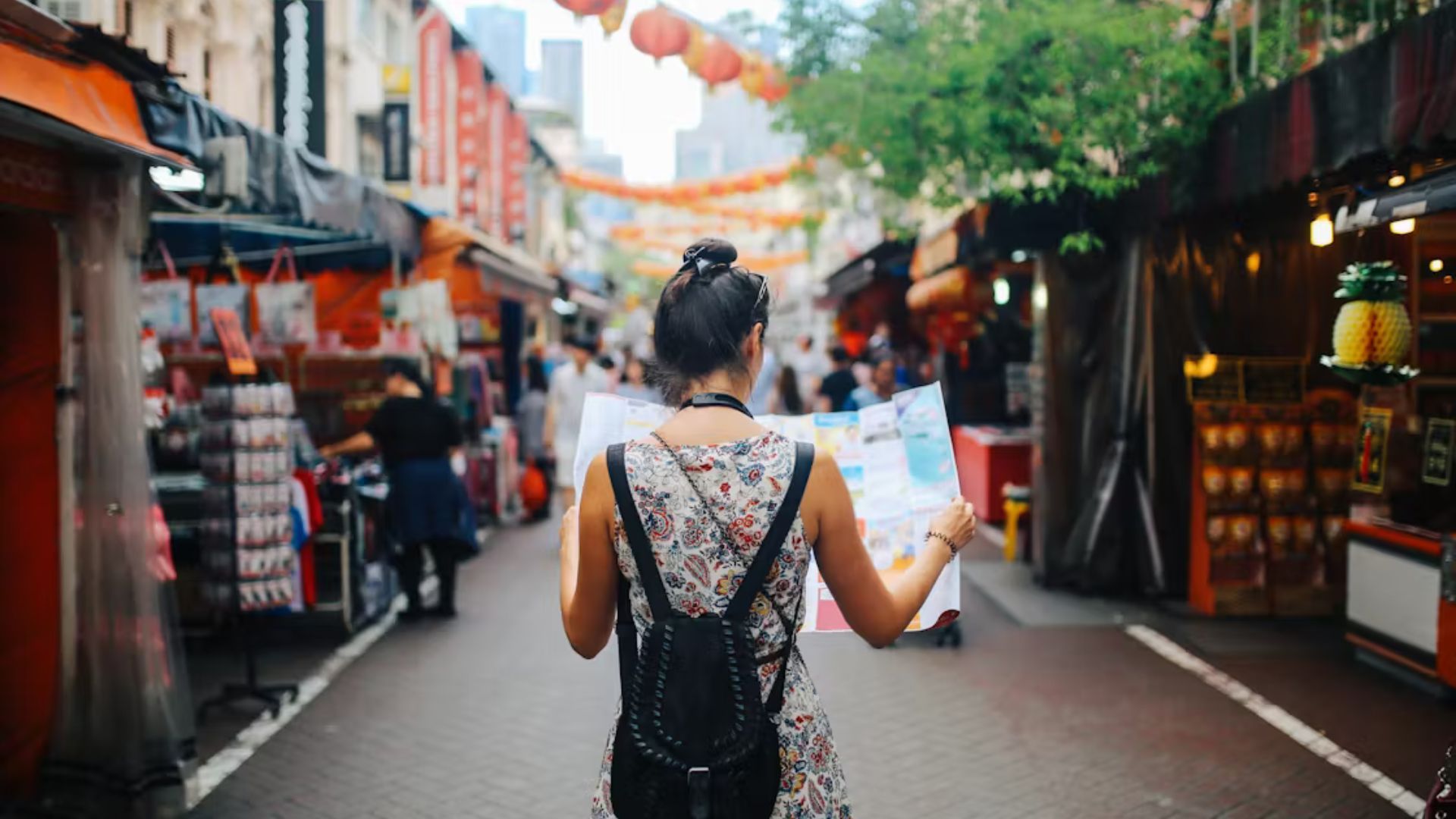
For expats and professionals new to Singapore, Chinese New Year offers a wonderful window into local culture. The city transforms with decorations, and the festive atmosphere is hard to miss.
Whether you’re hosting a small reunion dinner with new friends or simply want to observe traditions in your own space, having a comfortable home base makes the experience more enjoyable. Dash Living’s serviced apartments in Singapore districts offer the kind of space where you can host intimate gatherings .Curious about finding a home that lets you celebrate in style? Submit an enquiry about monthly stays to get a curated list of available rooms and apartments.
Dash Living on Kinta
Experience effortless city living in a modern serviced residence in central Singapore. Just minutes from Farrer Park MRT and City Square Mall, enjoy fully furnished apartments with stylish interiors, kitchenettes and all-inclusive comforts like high-speed Wi-Fi, utilities and weekly housekeeping. Relax at the rooftop pool, unwind in the garden or connect in the social lounge at Dash Living on Kinta, designed for professionals and urban explorers who value convenience and comfort.
Explore Dash Living
Start living the true city lifestyle with the leading serviced living provider in Asia.