Affordable Student Rentals Near Japan Universities, Tokyo Guide
Finding affordable housing near Japanese universities can feel overwhelming, especially when the upfront move-in costs reach ¥400,000 or more. Key money, deposits, guarantor requirements, and agent fees often surprise international students, but with the right housing type and timeline, you can land a safe, comfortable place without burning your budget before classes even start.
This guide breaks down the main housing options near Tokyo university districts, the real cost of renting, where to search, and practical ways to avoid common pitfalls.
Student Housing Options in Japan
If you’re heading to Japan for university, you’ll generally choose from five housing types: university dormitories, private student buildings (gakusei mansions), shared houses, private apartments, and co-living or serviced apartments. Each comes with a different balance of cost, privacy, flexibility, and upfront fees.
1. University Dormitory
University-run dorms are often on campus or nearby, with shared kitchens, bathrooms, and common areas. Some include meal plans, which can simplify your first months in Japan. Rent is usually the most budget-friendly at ¥30,000 to ¥50,000 per month, but availability is limited and stays may be capped (often six months to two years).
2. Gakusei Mansion
These are student-focused private buildings with individual units and a simpler setup than traditional rentals. Expect ¥40,000 to ¥70,000 per month, often with basic furniture and utilities arranged. You’ll get more independence than a dorm, with fewer restrictions.
3. Shared House
A popular option for international students, shared houses typically give you a private bedroom while sharing the kitchen, living space, and bathroom. Costs run ¥30,000 to ¥60,000 per month, and the social side can make settling in easier during your first semester.
4. Student Apartments in Tokyo
If you want full privacy, renting your own apartment gives you complete control, but it also comes with Japan’s traditional rental system and longer leases. Compact studios or mini apartments can cost ¥50,000 to ¥90,000 per month, while traditional contracts often require key money, deposits, and guarantors that add up quickly.
5. Co-Living and Serviced Apartments
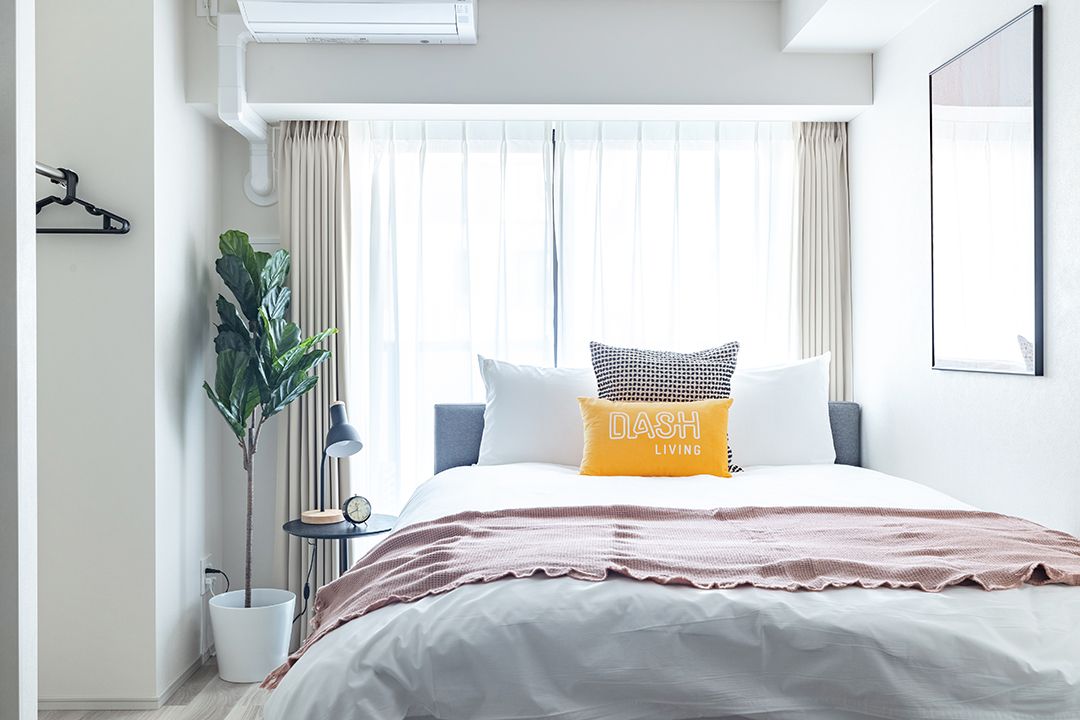
Co-living offers furnished spaces with flexible leases and all-in pricing that usually includes utilities, internet, and furniture. Monthly rates may look higher, but you often avoid key money and large setup costs. If you want a smoother move-in experience, you can find your accommodation in Tokyo with flexible options designed to remove common rental hurdles.
Average Rents by Major Tokyo University Districts
Rent varies by neighborhood, and your choice affects both your commute and your monthly budget.
Waseda, Takadanobaba
Near Waseda University, studios often range from ¥60,000 to ¥85,000 per month. The area is student-heavy, with plenty of budget eats and great transit access.
Hongo, Ochanomizu
Around the University of Tokyo’s Hongo campus, expect ¥65,000 to ¥90,000 per month. The vibe is quieter and academic, with strong subway connections.
Shibuya, Daikanyama
Trendier districts come at a premium, often ¥90,000 to ¥120,000 per month. Many students choose nearby areas for similar access at a lower cost.
Kanda, Jimbocho
This bookstore district can be a better value at ¥55,000 to ¥75,000 per month, with excellent multi-line train connections.
Koto Bay Area Campus Cluster
Newer waterfront campus areas often sit around ¥60,000 to ¥80,000 per month, with modern buildings and more space, though you may be farther from central Tokyo.
Total Move-In Costs and How to Budget
A common shock is Japan’s upfront payment structure, often four to six months’ rent paid before move-in.
1. Key Money and Deposit
- Key money (reikin): non-refundable, usually one to two months’ rent
- Deposit (shikikin): often one month’s rent, partially refundable
Example: for a ¥75,000 apartment, key money alone can be ¥75,000 to ¥150,000, plus another ¥75,000 for deposit.
2. Agency and Renewal Fees
- Agency fee: often one month’s rent
- Renewal fee: commonly one month’s rent every two years
3. Furniture and Utilities
Unfurnished rentals can require ¥40,000+ for essentials even second-hand, plus ¥10,000 to ¥20,000 in connection fees. Monthly utilities often run ¥8,000 to ¥15,000, depending on season.
4. Monthly Rent vs First-Month Outlay
A rent that feels manageable monthly can still trigger a first payment of ¥400,000 to ¥500,000 once fees stack up. Planning early helps you avoid last-minute financial stress.
5. Comparison Table: Traditional Rental vs All-Inclusive Options
| Cost Item | Traditional Apartment (¥75,000/month) | All-Inclusive Co-Living |
|---|---|---|
| First Month’s Rent | ¥75,000 | ¥75,000 |
| Key Money | ¥75,000 to ¥150,000 | ¥0 |
| Security Deposit | ¥75,000 | ¥0 to ¥30,000 |
| Agency Fee | ¥75,000 | ¥0 |
| Guarantor Fee | ¥20,000 to ¥30,000 | ¥0 |
| Furniture | ¥40,000+ | Included |
| Utilities Setup | ¥10,000 to ¥20,000 | Included |
| Internet | ¥3,000 to ¥5,000 per month | Included |
| Renewal Fee (2 years) | ¥75,000 | Flexible terms |
| Total First Payment | ¥370,000 to ¥485,000 | ¥75,000 to ¥105,000 |
Location and Commute Trade-Offs
Train Lines and Pass Costs
Monthly commuter passes (teikiken) often cost ¥8,000 to ¥15,000, depending on distance. Living along the same line as your campus can keep commutes predictable and costs controlled.
Cycling Distance Zones
If you’re within 3 to 5 km of campus, biking can eliminate transport costs, but factor in rainy season and summer heat.
Nightlife Versus Study Environment
Busy areas are convenient but can be noisy. Quiet neighborhoods are better for study but may require more travel for social plans.
Documents, Visas, and the Guarantor Workaround
1. Passport and Residence Card
Your passport is your primary ID, and your residence card is issued after immigration. Keep copies ready.
2. Certificate of Eligibility or Student Visa
Some landlords require full residence status, while others accept a COE while you wait for visa approval.
3. Emergency Contact and Income Proof
Prepare bank statements, scholarship letters, or proof of support. Having both English and Japanese versions helps.
4. Guarantor Companies and No Guarantor Providers
Guarantor companies (hosho gaisha) usually cost ¥20,000 to ¥30,000. Some modern housing providers skip guarantor requirements entirely, which can be a big win for international students.
Seven Ways to Lower Rent Without Sacrificing Safety
- Apply off season (often May to November)
- Negotiate shorter leases when possible
- Consider older but well-maintained buildings
- Share facilities to reduce rent
- Choose semi-basement or top floor for discounts
- Bundle utilities to avoid surprise bills
- Ask about student discounts or cashback
Common Pitfalls for Foreign Students and How to Avoid Them
Language Misunderstandings in Contracts
Know key terms like renewal fees and restoration costs. If unsure, ask your university office or a translator to review before signing.
Illegal Sublets and Scams
Avoid listings that demand money before a viewing. Legitimate providers do not request gift cards or unusual payment methods.
Ignoring Trash Sorting Rules
Sorting rules vary by area. Follow your building’s schedule to avoid complaints or penalties.
Red flags to watch for
- Gift card or cryptocurrency payment requests
- No viewing or verified video tour
- Missing fee breakdown in writing
- Pressure to decide immediately
Flexible All-Inclusive Living With Dash Living
For students who want fewer barriers and more predictable budgeting, all-inclusive options can remove key money, reduce upfront payments, and simplify the move-in process with furnished spaces and utilities already arranged. Digital applications and English support can also make a major difference when you’re navigating contracts in a new country. Explore Tokyo listings here to compare flexible options.
FAQs About Affordable Student Rentals in Japan
What if my exchange program is only three months long?
Monthly rentals, guest houses, and some shared houses can accept short stays. Some co-living providers also offer flexible terms that match semester schedules.
Can I sign a lease before I receive my Japanese student visa?
Many traditional landlords require residence status, but some providers accept a COE while you’re awaiting visa approval.
Are pets allowed in student apartments in Tokyo?
Most traditional rentals prohibit pets. Pet-friendly options exist but usually require extra deposits or fees and take longer to find.
How do I receive my security deposit refund when I leave Japan?
Coordinate with your landlord early for international transfer options, document move-in and move-out conditions, and request an itemized breakdown of deductions.
A calm riverside base close to Marunouchi’s champagne-lit streets, Shiodome’s Caretta Illumination, and the festive stalls of Hibiya Park. Near Ginza and Tokyo Station, it combines convenience with comfort for cozy winter nights. Fully furnished rooms and seamless transport links make exploring Tokyo’s winter lights simple and stress-free.
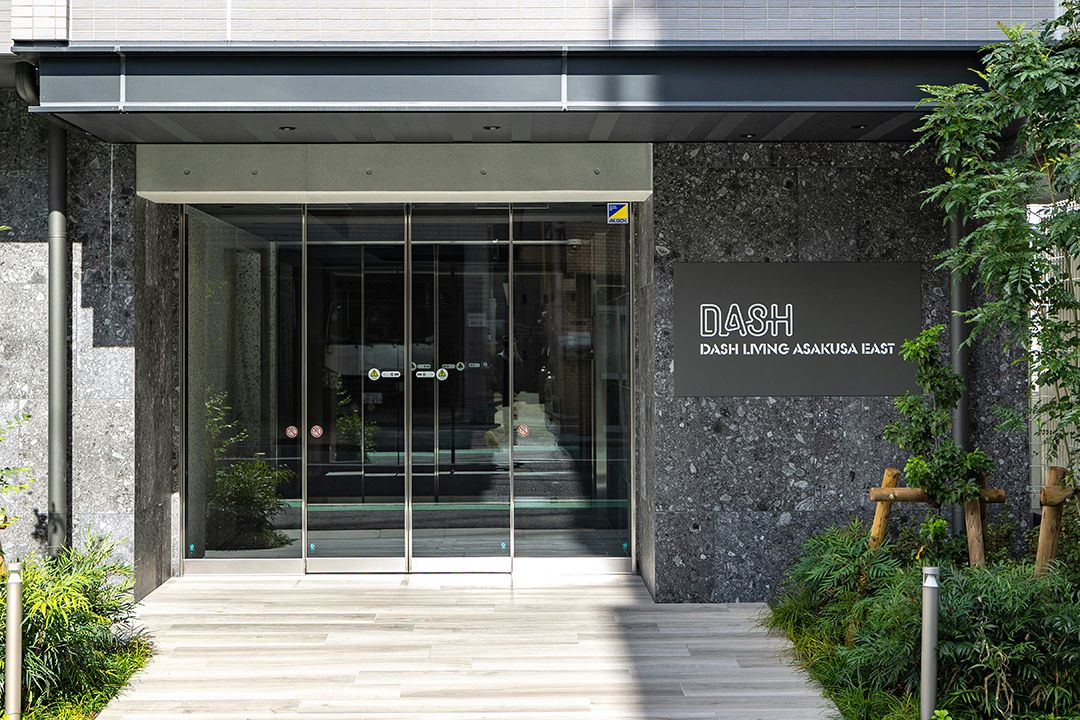
Stay close to the charm of old Tokyo while still being minutes away from the city’s brightest winter spots. Dash Living Asakusa East offers a peaceful retreat with modern comforts, perfect for slowing down after a night of illuminations or exploring nearby attractions like Sensoji and the Sumida River. It is a cozy, convenient base for travelers who want culture, comfort, and easy access to Tokyo’s festive glow.
Explore Dash Living
Start living the true city lifestyle with the leading serviced living provider in Asia.