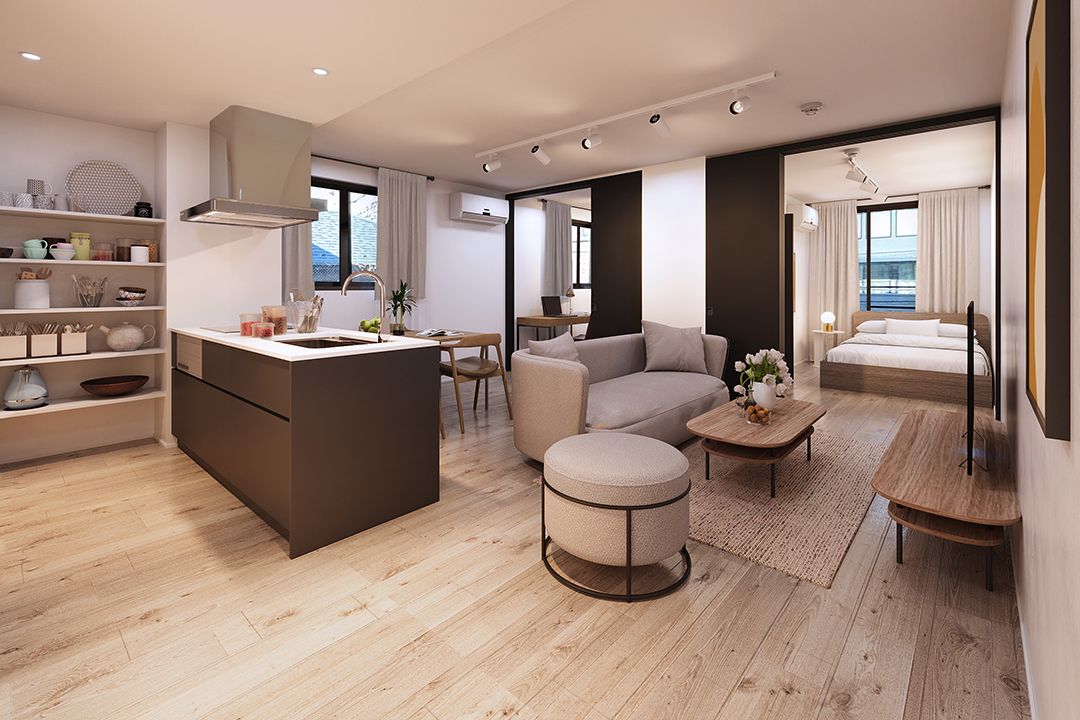
Furnished vs. Unfurnished Apartments in Japan: What’s the Difference?
Introduction
Searching for a Japan rental often brings up the question of whether to rent a furnished apartment or an unfurnished one. This is a common decision for anyone planning to rent apart in Japan, especially for those new to the country.
A furnished apartment comes with basic furniture and appliances already installed. An unfurnished apartment is typically empty, with only the essential fixtures provided.
This article explains what furnished and unfurnished apartments are in Japan. It also covers the main differences between the two and highlights what to expect from each option. Finally, it introduces how some properties, such as those available through Dash Living, fit into Japan’s rental landscape.
What is a Furnished Apartment in Japan?
A furnished apartment in Japan comes ready to live in from day one. These rental units include essential furniture like beds, tables, chairs, and storage units. They also feature major appliances such as refrigerators, washing machines, microwaves, and rice cookers.
Many furnished apartments go beyond the basics. Some include kitchenware, bedding, and even cleaning supplies. The exact items vary by property, but the goal remains the same: tenants can move in with just their personal belongings.
Key items typically included:
- Bedroom furniture: Bed frame, mattress, desk, and chair
- Kitchen appliances: Refrigerator, microwave, rice cooker, and basic cookware
- Living essentials: Air conditioning, lighting fixtures, and sometimes a TV
- Laundry facilities: Washing machine and drying rack
This setup appeals especially to expatriates, international students, and business travelers who want to avoid the hassle of buying and moving furniture. Monthly apartments in Japan often follow this furnished model, making them popular for shorter stays.
What is an Unfurnished Apartment in Japan?
An unfurnished apartment in Japan provides only the most basic built-in features. These typically include air conditioning units, basic lighting fixtures, and sometimes a gas stove or IH cooking surface. Everything else—from beds to refrigerators—becomes the tenant’s responsibility.
The term “unfurnished” in Japan can be misleading for newcomers. Unlike some countries where unfurnished means completely empty, Japanese apartments usually include certain fixtures that are considered part of the building’s infrastructure.
Standard fixtures in unfurnished apartments:
- Climate control: Air conditioning units in main rooms
- Kitchen basics: Built-in gas stove or IH cooktop, sink, and cabinets
- Bathroom fixtures: Bathtub, shower, toilet, and sink
- Storage: Built-in closets and shelving
Tenants handle everything else, from purchasing a refrigerator to buying curtains for the windows. This arrangement gives complete control over the living space but requires significant upfront investment and planning.
Key Differences Between Furnished and Unfurnished Apartments
The most obvious difference lies in what’s included when you sign the lease. Furnished apartments allow immediate move-in with just suitcases, while unfurnished apartments require weeks of shopping, delivery coordination, and setup.
Move-in timeline differences:
- Furnished apartments: Move in within 1-2 days of signing
- Unfurnished apartments: Typically 1-2 weeks for full setup
Monthly rent structures also differ significantly. Furnished apartments command higher monthly rates, often 20-40% more than comparable unfurnished units. However, this premium can offset the substantial upfront costs of furnishing an empty apartment.
Lease flexibility varies between the two options. Furnished apartments often cater to shorter-term residents with contracts ranging from one month to two years. Unfurnished apartments typically require longer commitments, with standard leases starting at one year and often extending to two years or more.
The target demographics reflect these differences. Furnished apartments attract international residents, students, and professionals on temporary assignments. Unfurnished apartments appeal more to long-term residents, families, and those planning to stay in Japan for several years.
Advantages of Furnished Apartments
Furnished apartments eliminate the stress of setting up a new home in an unfamiliar country. This convenience proves especially valuable for newcomers to Japan who may not know where to shop for furniture or how to arrange deliveries.
Time-saving benefits:
- Immediate occupancy: No waiting for furniture deliveries
- Utility setup: Often pre-arranged or simplified
- No assembly required: Everything arrives ready to use
The financial advantages extend beyond avoiding furniture costs. Moving expenses stay minimal since there’s no need to hire professional movers for large items. International residents can also avoid the complexities of buying appliances that match Japan’s electrical standards and voltage requirements.
Furnished apartments often include utilities and internet in the monthly rent, creating predictable housing costs. This all-inclusive approach helps with budgeting, especially for those unfamiliar with Japanese utility companies and billing systems.
For short-term residents, furnished apartments make financial sense even with higher monthly rent. The cost of furnishing an apartment—including a refrigerator (¥50,000-100,000), washing machine (¥30,000-60,000), and bed (¥20,000-50,000)—can quickly exceed the rental premium for stays under 18 months.
Why Choose Dash Living’s Furnished Apartments?
Dash Living takes the furnished apartment concept further by eliminating traditional Japanese rental barriers. Their properties come without key money requirements, guarantor needs, or agent fees—obstacles that often frustrate international renters.
Each Dash Living apartment includes modern furnishings designed for contemporary living. High-speed internet, utilities, and essential appliances come standard, with everything managed through a single monthly payment.
The locations focus on accessibility, with properties near major train lines and business districts. This positioning serves expatriates and business professionals who prioritize convenience for work and daily life.
Dash Living advantages:
- No traditional fees: No key money, guarantor, or agent fees
- Flexible terms: Short and long-term options available
- All-inclusive pricing: Utilities and internet included
- Strategic locations: Near transportation and business centers
Browse available furnished apartments in Tokyo to explore current options.
Cost Considerations for Japan Rentals
Understanding the true cost of furnished versus unfurnished apartments requires looking beyond monthly rent. Unfurnished apartments may seem cheaper initially, but the setup costs can be substantial.
Typical setup costs for unfurnished apartments:
- Major appliances: ¥150,000-300,000 (refrigerator, washing machine, microwave)
- Furniture: ¥100,000-200,000 (bed, table, chairs, storage)
- Moving and delivery: ¥30,000-80,000
- Utilities setup: ¥10,000-20,000 in deposits and connection fees
These upfront expenses can total ¥300,000-600,000 ($2,000-4,000), not including smaller items like kitchenware, bedding, and cleaning supplies.
Furnished apartments spread these costs across monthly rent, making them more budget-friendly for shorter stays. The break-even point typically occurs around 12-18 months, depending on the rental premium and quality of furnishings needed.
Common Misconceptions About Japanese Rentals
Many international renters expect unfurnished apartments to be completely empty, but Japanese properties include more built-in features than apartments in many other countries. Air conditioning, kitchen fixtures, and bathroom amenities are standard even in “unfurnished” units.
The quality of furnished apartments also varies significantly. Some provide basic, budget furniture while others offer modern, stylish pieces. Research individual properties rather than assuming all furnished apartments meet the same standards.
Another misconception involves lease terms. While furnished apartments often offer more flexibility, this isn’t universal. Some furnished properties require long-term commitments, while some unfurnished apartments offer shorter lease options.
Making Your Decision
The choice between furnished and unfurnished apartments depends on your specific situation, budget, and length of stay. Consider your timeline, financial resources, and personal preferences for living space customization.
Short-term residents (under 18 months) typically benefit more from furnished apartments, despite higher monthly costs. The convenience and reduced upfront expenses often outweigh the rental premium.
Long-term residents might prefer unfurnished apartments for the ability to create a personalized living space and potentially lower monthly costs over time. This option works best for those comfortable navigating Japanese retail and delivery systems.
For newcomers to Japan, furnished apartments offer a gentler introduction to Japanese living while providing time to learn about local shopping, utilities, and neighborhood amenities. This breathing room can prove invaluable during the adjustment period.
Find your ideal furnished apartment with Dash Living to start your Japan rental search with flexible, foreigner-friendly options.